
Ultimate Selection of Deep Tine Aeration Tools for Professionals
Find the most effective equipment tailored for deep soil aeration to improve turf quality and root development.
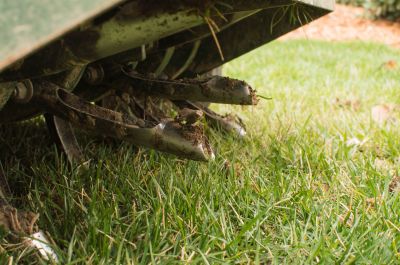 Deep tine aeration is a vital process for maintaining healthy soil and optimal turf performance. It involves creating deep channels in the ground to alleviate soil compaction, improve air exchange, and enhance water and nutrient penetration. This process is often used in lawn care, sports fields, golf courses, and large landscaped areas where soil compaction can hinder plant growth and turf resilience. Proper aeration can help promote a more robust root system, leading to healthier, more resilient turf over time.
Top Overall Option
Heavy-Duty Deep Tine Aerator Attachments
Heavy-duty deep tine aerator attachments designed for compatible power equipment can offer robust performance for large-scale aeration projects. These attachments typically feature durable tines made from high-strength materials, adjustable depth settings, and a design that ensures even soil penetration. They are suitable for use with various lawn tractors or aerator machines, making them versatile for professional landscapers or serious DIY enthusiasts. Properly selected, these attachments can facilitate efficient soil aeration, helping to improve turf health and soil structure over time.
Types of Products For Deep Tine Aeration Service
Manual Hand Tine Aerators
Hand-operated tools ideal for small areas or spot aeration, providing precise control and minimal setup.
Push-Style Core Aerators
Manual or semi-motorized push models that create core holes and are suitable for moderate-sized lawns.
Walk-Behind Core Aerators
Motorized machines designed for larger areas, offering ease of use and efficient soil penetration.
Tow-Behind Aerator Attachments
Attachments compatible with lawn tractors or utility vehicles, ideal for extensive turf areas.
Hydraulic Deep Tine Aerators
Advanced equipment utilizing hydraulic systems for consistent and deep soil penetration.
Battery-Powered Aerators
Portable, cordless options providing flexibility and ease of operation without cords or fuel.
Gas-Powered Aerators
Self-propelled or engine-driven units suitable for professional-grade aeration tasks.
Adjustable Tine Depth Aerators
Models featuring customizable tine depth settings to adapt to various soil conditions.
Compact Handheld Tine Rakes
Lightweight tools for targeted aeration in small or hard-to-reach areas.
Commercial Grade Deep Tine Machines
Heavy-duty equipment designed for frequent use and large-scale projects.
Electric Tine Aerators
Electric-powered options that combine portability with reliable performance.
Multi-Function Aeration Machines
Versatile equipment that combines aeration with other turf maintenance functions.
Popular Choices
Widely used for their efficiency on large lawns and sports fields, offering consistent soil penetration.
Popular among professional landscapers for their ability to cover extensive areas with ease.
Growing in popularity for their portability and convenience without the need for cords or fuel.
Favored for small-scale projects and precision work in tight spaces.
Chosen for their consistent performance in demanding soil conditions.
Trusted for their power and independence on larger or more challenging terrains.
Preferred for their flexibility to adapt to different soil depths and conditions.
Popular for small to medium-sized lawns due to their quiet operation and ease of use.
Useful for targeted aeration in hard-to-reach spots or small patches.
Selected for their durability and capability to handle frequent, large-scale projects.
There are various tools and equipment designed to facilitate deep tine aeration, ranging from manual hand tools to motorized machines. Manual aerators are suitable for small areas or targeted spots, offering precision and control. Conversely, powered aerators are ideal for larger spaces, providing efficiency and the ability to cover extensive ground with less physical effort. Selecting the right equipment depends on the size of the area, soil conditions, and the specific needs of the turf or landscape.
In addition to choosing the right type of aerator, understanding the different tine configurations and features can help optimize results. Tines come in various lengths, shapes, and materials, each suited for different soil types and aeration depths. Some models feature adjustable tine depth settings, allowing for customization based on soil conditions. Regular use of deep tine aeration can significantly improve soil health, but it is essential to select equipment that aligns with the specific requirements of the terrain and maintenance schedule.
Investing in quality aeration products can lead to more effective and consistent results, ultimately supporting healthier turf and better landscape management. Whether for professional lawn care services or personal use, choosing the appropriate tools and accessories is crucial for achieving desired outcomes. Proper maintenance and understanding of the equipment will ensure longevity and optimal performance over time.
Key Buying Considerations
- Soil type and condition: Different equipment may perform better in sandy, clay, or compacted soils.
- Area size: Larger areas may require motorized or tow-behind models for efficiency.
- Depth adjustment features: Tine depth control allows customization based on soil and turf needs.
- Ease of operation: Consider whether a manual, electric, or gas-powered device suits your physical ability and project scale.
- Tine configuration: Look for models with interchangeable or adjustable tines for versatility.
- Durability and build quality: Heavy-duty materials can withstand frequent use and tough soil conditions.
- Maintenance requirements: Check for ease of cleaning, tine replacement, and general upkeep.
- Budget constraints: Balance the cost with features and performance to find the best value.
- Power source: Decide between corded electric, cordless battery, gas, or hydraulic options based on mobility needs.
- Compatibility: Ensure attachments or accessories are compatible with your existing equipment or machinery.
- User reviews and ratings: Consider feedback from other users for insights into performance and reliability.
- Noise and vibration levels: These factors can impact comfort during operation and suitability for certain environments.
- Storage and portability: Smaller, foldable, or lightweight models are easier to store and transport.
- Environmental considerations: While not eco-focused, understanding energy consumption or emissions may influence your choice.
This content contains affiliate links. We may earn a commission if you purchase through these links, which helps support our work and provides you with valuable product information.